









PROPERTY SEARCH


Worrying report shows air pollution in Murcia and Cartagena still above new EU limits
Ecologistas en Acción report highlights Murcia and Cartagena among Spain's worst for NO₂ pollution
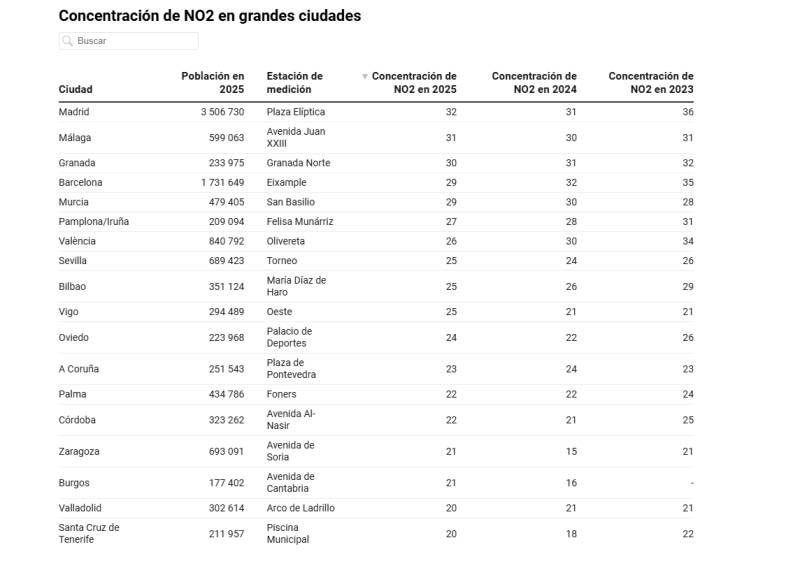
Murcia and Cartagena are lagging behind when it comes to air quality improvements, according to a new analysis by environmental group Ecologistas en Acción. The report looked at data from official air‑quality stations across about twenty midsize and large Spanish cities in 2025. It found that all of them exceeded the new nitrogen dioxide (NO₂) limits that the European Union will require by 2030.
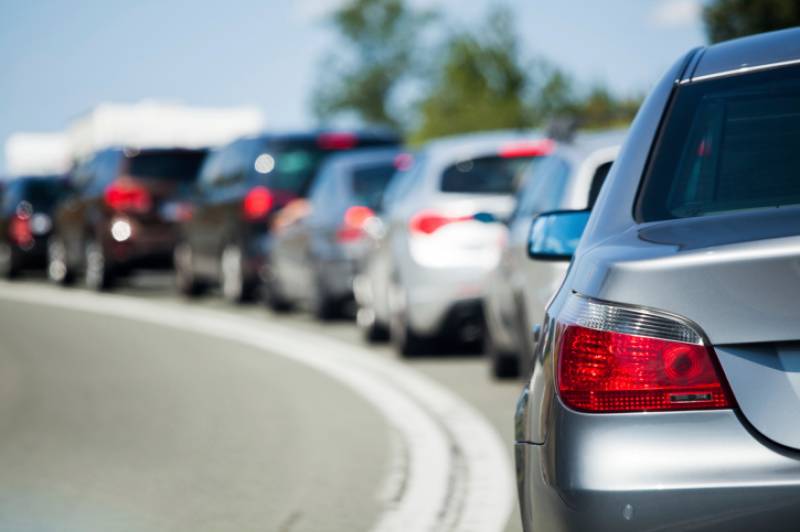
NO₂ is a toxic gas that comes mainly from vehicle exhausts, especially in busy city centres. Breathing it can harm the lungs, weaken the immune system, and increase vulnerability to respiratory infections. Across the EU, it’s linked to thousands of premature deaths each year, with over 4,000 in Spain alone, according to the European Environment Agency.
In 2025, the air quality station in San Basilio, Murcia, recorded an average NO₂ concentration of about 29 micrograms per cubic metre of air. This is well above the 20‑microgram limit that will become law by 2030. That puts Murcia right up there with cities like Barcelona and Granada for some of the highest NO₂ levels in Spain.
While Murcia hasn’t broken the current legal limit of 40 micrograms, experts and health organisations say that regulation is too lax and outdated. Under the stricter European rules soon to take effect, Murcia’s air quality would be considered non‑compliant and potentially harmful for residents.
For Cartagena, the situation is even trickier. The Ecologistas en Acción report points out that the city does not have any official air quality stations specifically targeted at traffic pollution. That means official figures may underestimate the pollution that people actually breathe on busy streets.
Also, because readings aren’t taken where traffic is most intense, environmental groups believe we don’t yet have a full picture of the air quality.
The Murcia regional government has responded by saying that, under current Spanish law, NO₂ levels in both cities remain within legal limits. Temporary spikes, like the dust intrusion from the Sahara in early 2026, are exceptions rather than the norm. Officials highlight ongoing initiatives, including expanding air quality monitoring stations, rolling out a short-term action plan for pollution episodes, and preparing a new Air Quality Strategy for 2030. They also stress that the current monitoring network is among the most advanced in Spain and Europe.
Image 1: Archive
Image 2: Ecologistas en Acción