











PROPERTY SEARCH

This weekend is a puente in Spain: How many days off are there and where?
The 'puente de diciembre' is a major weekend for travel in Spain, with thousands of cars hitting the roads
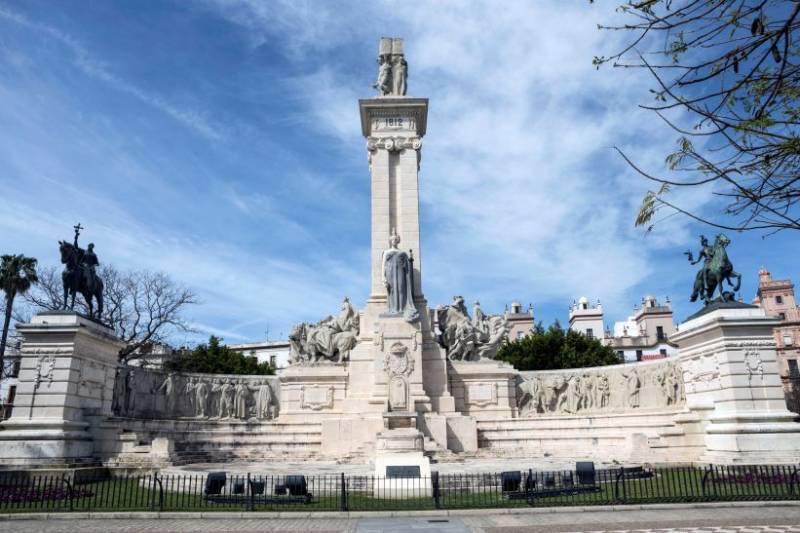
Plaza de la Constitución in Cádiz, celebrating the landmark 1812 constitution
Every year in Spain, the weekend closest to December 6 and December 8 is declared a 'puente' or long weekend of three, four or sometimes even five days.
This is because both December 6 and December 8 are national bank holidays everywhere in Spain, and since they fall so close together it is common practice to take December 7 as a day off too, just for good measure.
This creates a 'puente', which translates to 'bridge' in English, a very descriptive term for when a bank holiday – whether local, regional or national – is extended across the course of a weekend to make an extra-long break.
Why is December 6 a festivo in Spain?
December 6 is a festivo, or red day, in the entire national territory of Spain for the occasion of the Día de la Constitución, or Constitution Day. This day marks the signing in 1978 of Spain's current constitution after the fall of the Franco dictatorship.
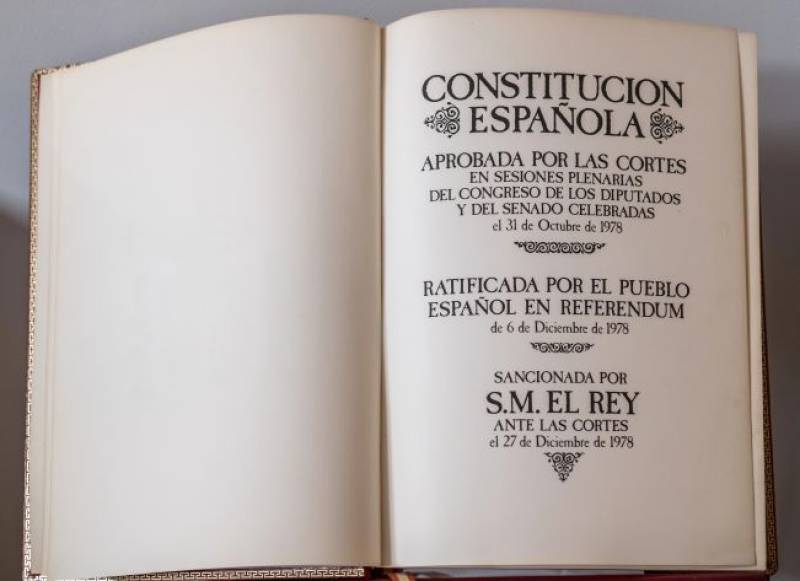
In its history, Spain has had eight constitutions, each one broken by periods of autocratic rule when the constitution was disavowed. Nowadays, the current constitution is honoured as a precious document that enshrines democratic rights and freedoms to all people in Spain.
To mark Constitution Day, the government and the monarchy usually come together to hold some sort of solemn ceremony in Madrid, reaffirming their commitment to democracy.
For most ordinary people, it is notable for being a day when schools and many businesses are shut, as well as several supermarkets and shops.
Why is December 8 a festivo in Spain?
Not content with having one day off for the entire country in early December, the Spanish have also made December 8 a national bank holiday to mark the Día de la Concepción Inmaculada, the Day of the Immaculate Conception.
Whereas the Constitution Day is a fairly modern and secular invention, the red day on December 8 follows more ancient Catholic traditions as it was supposedly the day when the Viegin Mary was impregnated by the Holy Spirit with the Son of God, Jesus Christ.
According to this account, then, Mary carried her entire pregnancy to term in just 17 days before the birth of the Saviour, which has the advantage of skipping over nearly 10 months of discomfort and morning sickness, but would surely leave some mighty stretch marks on her poor old belly.
For the faithful, December 8 is a day to attend a special Catholic Mass at church, as it is on many of the country's other festivos with a religious basis. For everyone, believer or non-believer, it is another day when stores and schools are shut, representing a bit of a headache for organising the weekly shop in advance.
What do people do in Spain for the December long weekend?
In practice, the puente de diciembre is a perfect exucse for people to get away for a long weekend break, whether to catch some winter sun down in the Canary Islands or to go and do some Christmas shopping in Madrid.
Don't be surprised, then, to find long tailbacks on the motorway at both the start and end of the weekend, known respectively as 'Operación Salida' and 'Operación Vuelta'. At these times, the Guardia Civil tends to reinforce CCTV and special measures on the roads, to ensure that the increase in the number of drivers doesn't lead to an increase on the number of dangerous infractions.
What other holidays are coming up soon in Spain?
Of course, these are not the only two festivos in December. Christmas Day, December 25, is also a national holiday, as is New Year's Day, January 1.
As well as these festivos which apply to every town and city in Spain, each autonomous community and municipality decides on its own regional and local days off each year. In December and January, notable festivities around Spain include the Día de Navarra on December 3, giving those living in and around Pamplona and extra day off, and Boxing Day or St. Stephen’s Day, December 26, is also a regional holiday for the autonomous communities of Cataluña and the Balearic Islands.