









PROPERTY SEARCH

This is where the DGT's newest speed camera is in the Region of Murcia
The DGT has installed 33 new speed cameras across Spain, which go live across Spain this week
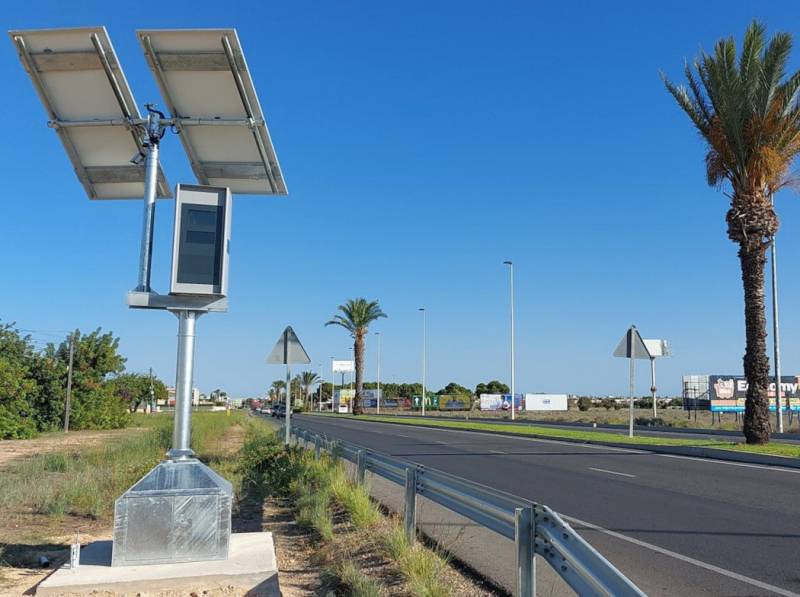
This week, the Directorate General of Traffic (DGT) activated 33 new speed cameras across 11 regions, including both fixed and average speed check (tramo) cameras, and one of them is on a road in Murcia.
Specifically, the DGT installed its new fixed speed camera on the RM-620, on the Pozo de la Higuera road near the border with Almería. This is part of a national plan to improve road safety by adding new speed-control points on some of the busiest roads in Spain.
In Alicante, for example, three new speed cameras have been switched on: two on the A-31 and one on the A-7. Across Spain, a total of 122 new speed-control points are planned. Some of these cameras have already been switched on and are in operation, while the remaining cameras and devices are expected to be installed throughout the year.
All the new speed cameras are clearly signposted, and their locations are published on the DGT website and shared with navigation apps, so drivers can see them ahead of time. For the first month, anyone caught over the speed limit will receive a warning letter first. After that, the usual fines apply.
The DGT has advised that the goal isn't just to issue fines. Higher speeds make it harder to react in time to avoid a crash, and collisions at higher speeds are much more likely to cause serious injuries or fatalities. By adding these new cameras, the DGT hopes to reduce both fatal and serious accidents and make the roads safer for everyone.
Read also: Can the black cables on Spanish roads be used to issue speeding fines?
Image: DGT