









PROPERTY SEARCH

PROPERTY SEARCH
Spain gears up for exceptional year with 13 full moons lighting up the skies in 2026
Wolf Moon and Snow Moon have already passed but 11 celestial spectacles are still to come including the rare Blue Moon in May
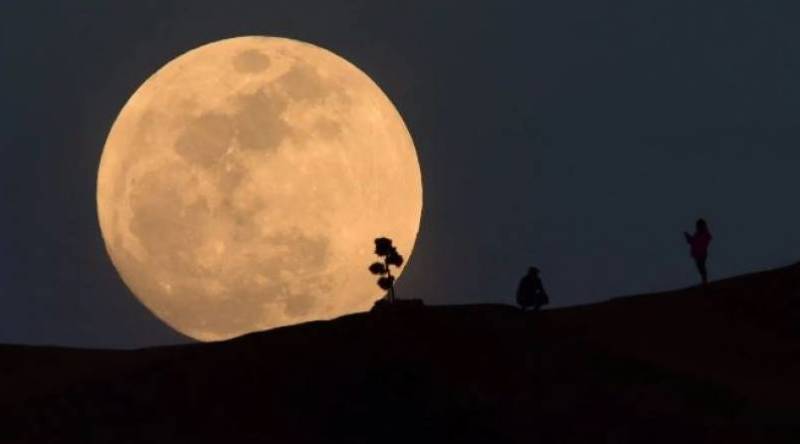
Stargazers across Spain are in for a treat this year with 13 full moons set to light up the night sky throughout 2026, making it an exceptional year for lunar enthusiasts.
The Moon's regular and cyclical movement means that approximately every 28 days, different phases of the lunar calendar occur, including the new moon, waning crescent, waxing crescent and the most striking of all: the full moon.
This is the moment when Earth's satellite is observed in its maximum splendour and acquires a greater presence in the night sky.
Due to this cyclical movement, full moons occur at different times throughout the year. Popular belief and tradition have led to each full moon being known by a different name, particularly in Anglo-Saxon and Central European countries, although this terminology is gradually being adopted elsewhere, including Spain.
Depending on the year, the number of full moons can vary. In 2026 there will be a total of 13. Some are considered micromoons, others supermoons and others more common full moons, but all of them have a name.
The first two full moons of 2026 have already passed. The Wolf Moon appeared on January 3, shortly after the start of the year. This name, used especially by indigenous peoples of North America, originates from the harsh winter when only the howls of wolves could be heard during the coldest days.
The Snow Moon followed on February 1, reflecting the wintry conditions typical of that month in the Northern Hemisphere.
What's still to come
The next full moon visible from Spain will be the Worm Moon on March 3. This name comes from the thawing of the ground after winter, when the soil begins to melt and earthworms and larvae reappear, an unmistakable sign of the end of winter.
April 2 brings the Pink Moon, a name of Native American origin linked to spring blossoms and the pinkish hues that appear in some plants during this month. The name is symbolic and doesn't mean the moon actually turns pink.
May sees two full moons. The Flower Moon on May 1 reflects the splendour of nature in spring, when plants reach their peak bloom and growth. Then on May 31 comes the Blue Moon, a term describing the phenomenon that occurs when the full moon phase repeats within the same month.
The Strawberry Moon appears on June 29 and typically coincides with the alignment of the Sun, Earth and Moon so that all the sunlight is reflected.
In the heart of summer, the Buck Moon rises on July 29, associated with the natural cycles of wildlife and carrying symbolic weight inherited from ancient traditions.
August 28 brings the Sturgeon Moon, named by Native American peoples for the abundance of this fish in the Great Lakes during this time. This name is much less common and popular in Europe and places like Spain.
During the transition between summer and autumn, near the equinox, the Harvest Moon occurs on September 26. This moon is associated with the harvest season for a large portion of crops before the arrival of cold weather, and the moon's brightness traditionally facilitated agricultural work at night.
In the heart of autumn comes the Hunter's Moon on October 26, so called because it illuminates the night sky and is associated with hunting activities that were essential for survival at this time of year. It's often a supermoon.
The Beaver Moon appears on November 24. The name comes from very ancient traditions when Native American peoples assigned names to each full moon based on the tasks associated with each time of year. November coincided with the time to set traps to capture beavers to obtain their pelts before the waters froze.
The year closes with the Cold Moon on December 24, coinciding with the winter solstice in the Northern Hemisphere. It marks the longest and coldest nights of the year and sometimes coincides with a supermoon, making it especially bright and dominant in the night sky across Spain and the rest of Europe.
Also of interest: The eclipse is coming: August 12, 2026 will change the sky over Murcia
Image: Catania University