









PROPERTY SEARCH


San Javier moves ahead with plans for new floodable park
A €2.3 million project aims to protect against flooding while transforming a neglected urban area into a vibrant green space
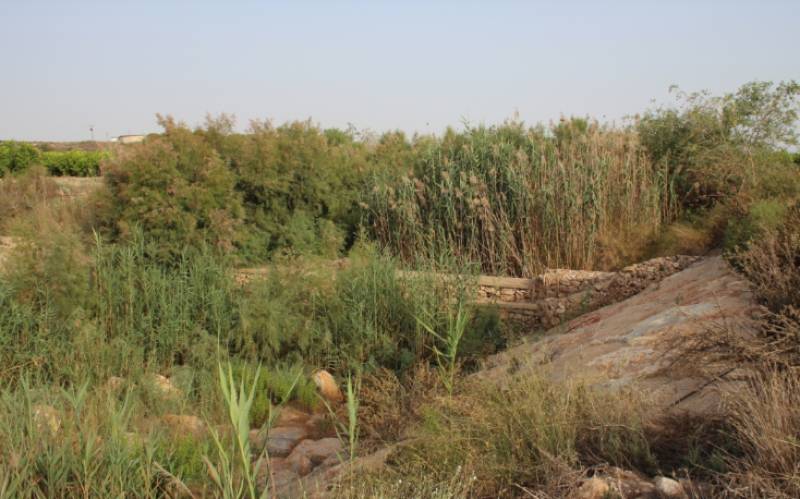
San Javier’s Ayuntamiento has begun preparing an ambitious plan to turn the Rambla de Cobatillas into a floodable park, a space designed to safely absorb and store heavy rainwater during storms. By allowing water to spread naturally within a controlled area, the park will help protect nearby streets and buildings from flooding while also creating a new green public space. The project, which has been put out to tender, has a maximum budget of €2.3 million including VAT.
As officials explained, the initiative is based on “renaturalising the environment and managing rainwater in a controlled way” to help reduce flooding, limit soil erosion and improve the area’s environmental and visual quality. The site chosen lies within the block bordered by Jabalina Street, Quevedo Street and the N-332 highway, in the urban section of the ravine as it passes through San Javier.
Under the plans, the current degraded area will be completely reimagined. Existing structures will be demolished and asphalt removed to restore the land’s natural permeability. Earthworks will then reshape the site into a natural retention basin, designed to temporarily hold excess runoff during heavy rain. The gentle slopes will be reinforced with large stones known as ‘riprap’ and boulders to avoid erosion and slow the flow of water.
One of the park’s standout features will be a permanent artificial lagoon of around 250 square metres. Conceived as a small urban wetland, it will include aquatic vegetation, floating islands and solar-powered aeration and recirculation systems to support water quality and biodiversity.
Plans also include accessible walking paths built with permeable surfaces that can withstand flooding without damage, connecting the park seamlessly with surrounding residential areas. Native plants will be used in the revegetation process, chosen for their low water needs and ability to filter agricultural runoff. By doing so, the project will also help protect the Mar Menor lagoon from pollutants carried by rainwater.
Visitors will find new facilities for leisure and fitness, from outdoor gym equipment to seating areas and bike parking, all fully integrated with the park’s hydraulic design. The entire system will be operated through remote control and automation, allowing it to adapt in real time to changing weather conditions.
Supported by the Biodiversity Foundation of the Ministry for Ecological Transition and the Demographic Challenge, the project forms part of wider efforts to restore ecological balance and improve environmental resilience in the Mar Menor area.
For more local events, news and visiting information contact the tourist offices of San Javier (main contact number 0034 661 572 285) or go to the home page of San Javier Today
Image: Confederación Hidrográfica del Segura