









PROPERTY SEARCH

PROPERTY SEARCH
Public healthcare pressures across Spain push more people towards private insurance
Nearly 13 million people in Spain now pay for private cover rather than relying on the overburdened public system
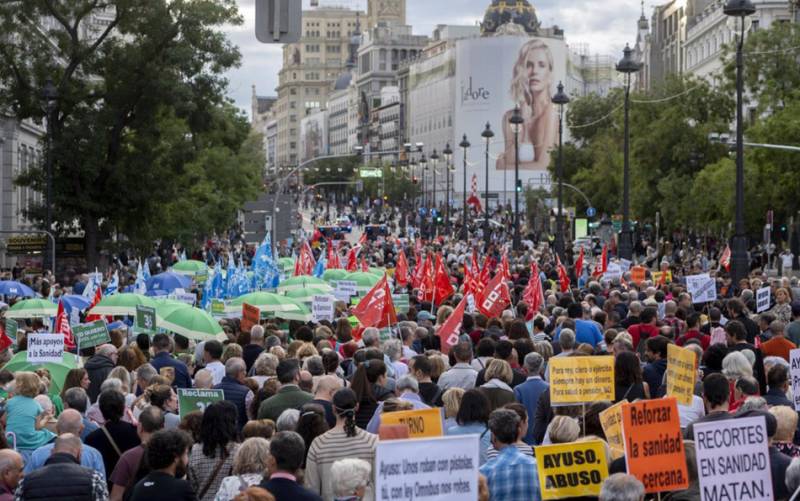
More people in Spain are turning to private healthcare than ever before, with almost 13 million residents now paying for medical insurance as pressure continues to grow on the public system.
New figures from the Institute for the Development and Integration of Healthcare (IDIS) show private healthcare coverage has risen from 23% of the population in 2020 to 26% in 2025. In just five years, the number of insured people has jumped from around 11 million to 12.8 million.
The increase has been steady year after year, with another 200,000 people taking out private policies in the last 12 months alone.
The shift is being driven largely by growing frustration over waiting times and delays in the public health service. Private healthcare now handles between 30% and 40% of medical activity in Spain, including more than 42% of surgical procedures and almost a third of emergency cases.
Critics say the trend reflects a public system under increasing strain.
Sergio Fernández, spokesperson for the Federation of Associations for the Defence of Public Healthcare, said many people feel they have little choice but to pay for faster treatment.
“Those who want to be seen quickly end up paying twice: through taxes and through their insurance policy,” he said.
Healthcare workers are also warning about the impact on hospitals already struggling with staff shortages and growing demand.
Guillén del Barrio, an emergency nurse at Madrid’s La Paz Hospital, said overcrowding and long waits are becoming increasingly common.
“The fact that more people are taking out private insurance is largely because the system is pushing them out,” he said.
However, supporters of the private sector argue that it’s actually helping to relieve pressure on public services. Marta Villanueva, CEO of the IDIS Foundation, said the rise in private insurance is linked both to waiting lists and to patients actively choosing additional cover.
She added that the private network helps reduce delays by taking on millions of consultations and treatments each year.
The highest levels of private insurance are found in Madrid, Catalonia and the Balearic Islands, all well above the national average.
Despite the growth, experts point out that many patients with private insurance still rely on the public system for serious illnesses, complex treatments and emergency care. Critics argue this creates a situation where private providers handle the most profitable treatments while public hospitals continue carrying the heaviest and most expensive cases.
For now, though, the number of people paying for private healthcare in Spain continues to climb, as more households look for quicker access to doctors, tests and specialist appointments.
Image: Facua