









Pink licence plates are coming to Europe, but what do they mean for Spain?
France is introducing temporary plates with expiry dates while Spain already uses several colour systems
Drivers in Spain are already used to seeing more than just the standard white number plates on the road, but a new system being introduced in France could take things a step further.
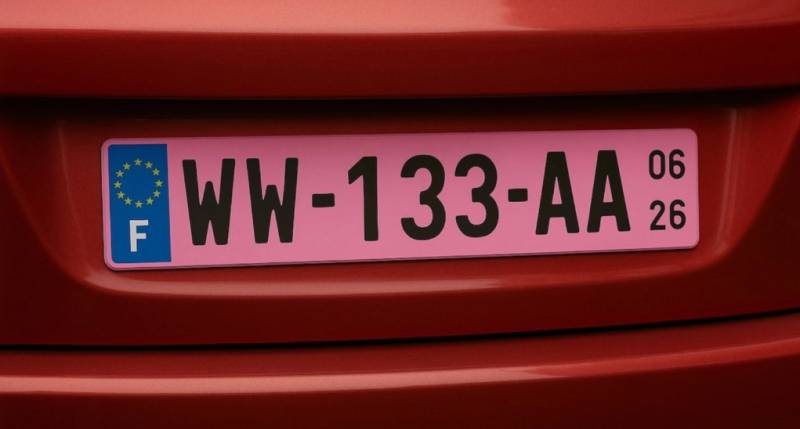
From early 2026, French authorities plan to roll out pink licence plates for vehicles with temporary registration, including new cars, imports and test vehicles. While the idea of colour-coded plates isn’t new, the French model introduces a key difference: an expiry date printed directly onto the plate itself.
The move is designed to make life easier for traffic police. Instead of checking databases to confirm whether a temporary registration is still valid, officers will be able to see at a glance if a vehicle is within its legal time limit.
That’s an issue Spain has also had to deal with. According to French motoring groups, hundreds of thousands of vehicles have been circulating with temporary plates well beyond the authorised period, something the new system aims to clamp down on.
In Spain, the Dirección General de Tráfico already uses a range of different plate colours for specific purposes, although none include a visible expiry date.
Most vehicles carry the familiar white plates with black lettering, which indicate a permanent registration. But there are several exceptions.
Temporary registrations are issued with green plates, often seen on imported vehicles or cars still going through the paperwork process. These are time-limited, but their validity isn’t visible on the plate itself.
Red plates are typically used by dealerships and garages for testing or moving vehicles before they are officially registered, while blue plates are reserved for taxis and other licensed passenger transport vehicles, a relatively recent change aimed at making them easier to identify.
France’s new pink plates will still follow the existing temporary format, beginning with “WW”, but will stand out thanks to their bright colour and the addition of the expiry date. The intention is not just to help enforcement, but also to discourage drivers from continuing to use temporary registrations beyond the legal window.
Authorities there hope the change will reduce fraud, simplify roadside checks and improve overall vehicle traceability.
For now, Spain has made no announcement of a similar move. But with several different plate colours already in use, the French system could offer a glimpse of how things might evolve in the future, especially if making temporary registrations more visible proves effective.
In the meantime, Spanish drivers should remember that while a vehicle’s status may not always be obvious from its plate, the rules around registration and inspections remain just as strict.
>>> Find all the latest motoring and travel news here or join our Driving in Spain Facebook group for regular updates <<<
Image: French Ministry of the Interior