











PROPERTY SEARCH

New €2 million project will take Cartagena's Roman amphitheatre to the next stage
The next stage will continue archaeological work inside the ancient arena, strengthen parts of the old bullring and create new areas for visitors
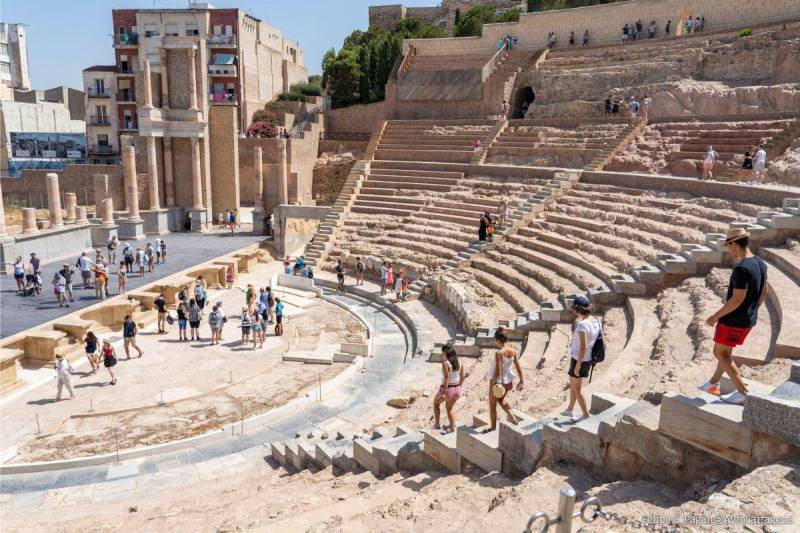
Work at Cartagena's Roman amphitheatre is moving towards its next stage, with the current excavation campaign due to finish in November and a new €2 million project now being put out to tender.
The latest phase has already revealed more of the ancient monument, including up to four vomitoria, the passageways that once allowed spectators to reach their seats. Archaeologists have also made further progress inside the arena, uncovering part of the fossa bestiaria, the underground area where wild animals were kept before being brought into the arena.
The team first began investigating the fossa during the previous phase of excavations, when a staircase leading down into it was discovered. What has been uncovered so far suggests the underground structure may have a cross-shaped layout following the main axes of the amphitheatre. Further digging should help confirm whether that theory is correct.
Although the excavation work will finish in November, the current phase won't be completely wrapped up until January. The archaeological team will spend the following weeks documenting the finds, cataloguing the recovered materials and preparing the report on the work.
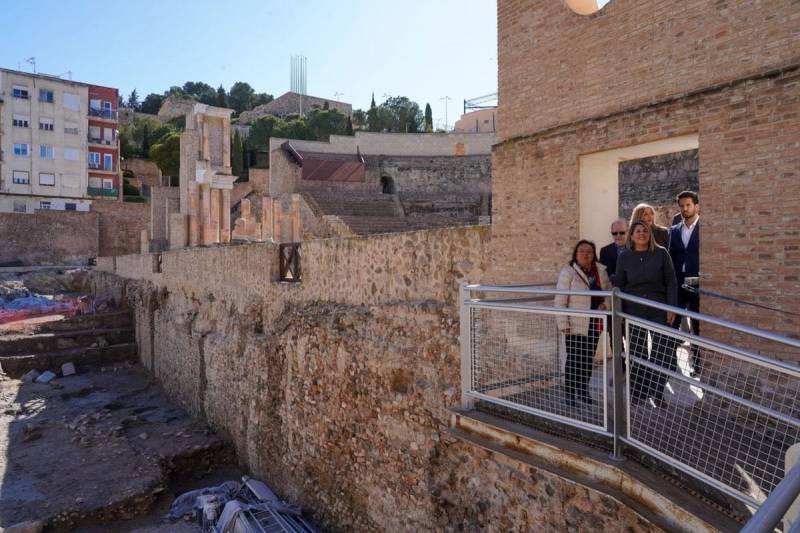 In the meantime, the Ayuntamiento is preparing for the next chapter. Phase V forms part of the site's eight-stage master plan and will continue the archaeological investigation while also dealing with the remains of the 19th-century bullring built over the Roman monument.
The new project has a budget of €2 million, with funding coming from Spain's 2% Cultural programme and the Ayuntamiento. It will allow archaeologists to remove more of the material still covering the arena, revealing more about its shape, podium, surviving seating and the fossa.
Some of the work will also concentrate on the old bullring, particularly its northeastern section. Around €787,503 has been allocated to strengthen walls and foundations, with micropiles used in some areas so that new supporting structures don't take up space within the Roman remains.
The next phase includes new wooden flooring, lighting, protective barriers and signs, as well as improvements to the upper levels of the old bullring, which will improve the visitor experience.
The existing viewing balcony will also be extended, creating new viewpoints over the Roman amphitheatre, the Cerro de la Concepción and Calle Gisbert. The planned lighting could eventually allow for evening visits and educational activities.
Meanwhile, the new temporary visitor reception building on Calle Doctor Fleming is expected to be finished by mid-November after supply problems delayed the project by two months. It will help make visits to the site more regular as the archaeological work continues.
Read also:Cartagena Neighbourhoods Set For Smart Sensors Tracking Air, Noise And Movement
Image: Ayuntamiento de Cartagena