











PROPERTY SEARCH

New viewing area for landmark geological site in Caravaca
The Barranco del Gredero contains evidence of the meteor which caused the mass extinction of the dinosaurs
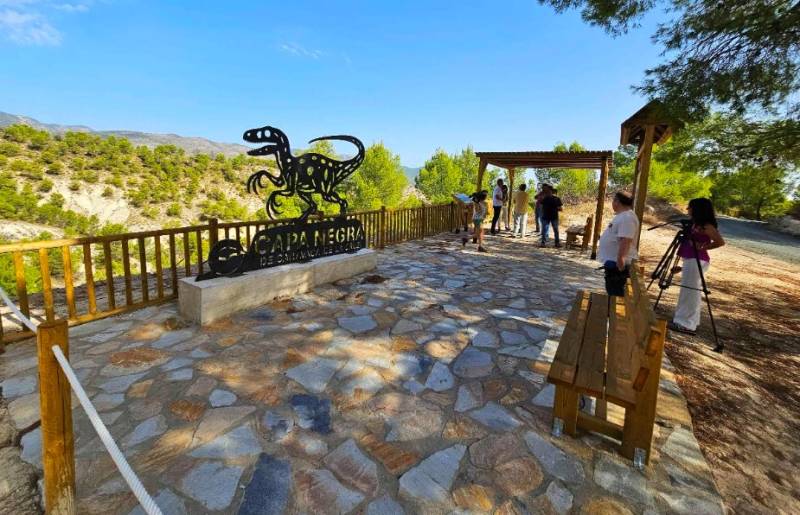
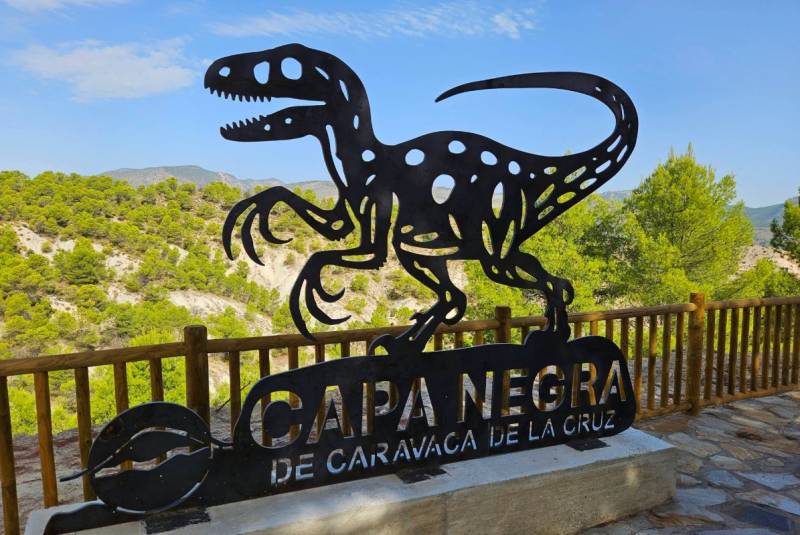 The Town Hall of Caravaca has created a viewing point in the gully of the Barranco del Gredero, one of the most important locations for the study of geology in Europe if not the world.
The gorge is located very close to the RM-711 road leading south-west out of Caravaca, on the right as you head out of town towards the village of La Paca (click for map) and the new viewing point there is intended to commemorate the spot and attract more visitors to this part of the countryside. At the same time, the condition of the old Camino Real de Granada has been improved, providing an obvious path for hikers to follow.
At around 73 square metres, the viewing point is not a major venue, but an attractive spot to stop and admire the view, although the true interest for geologists requires a far closer inspection.
 The Black Layer, or “Capa Negra”, is a band of sediment which was deposited all over the planet containing high levels of organic material and iridium, and dates from approximately 66 million years ago, marking the boundary between the geological period of the Cretaceous and the Paleogene. The evidence points to it having been caused by the massive asteroid impact in the Yucatan area of Mexico which led to the mass extinction of the dinosaurs and the majority of other animal species all over the world.
The Barranco de El Gredero in Caravaca is acknowledged as being one of the best places in the world to see and study this phenomenon, along with two others in Spain: Agost, in the nearby province of Alicante, and Zumaia, in Guipúzcoa (Basque Country).
At the same time, the location has been named one of only five Natural Monuments in the Region of Murcia, along with Monte Arabí in Yecla, the Gredas de Bolnuevo in Mazarrón, the Sima de la Higuera in Pliego, in the Sierra Espuña, and the Salto del Usero in Bullas.
Going back even further in time than the Capa Negra, close to the nearby River Argos a “golden spike” marks the limit between the Hauterivian and Barremian periods, approximately 125.77 million years ago. The two phenomena combine to make this one of the most advantageous areas on the planet to study the geological evolution of Earth.
Images: Ayto Caravaca
For more local news, events and visiting information contact the local tourist office (telephone 968 702424) or go to the home page of Caravaca Today.