











PROPERTY SEARCH

New findings reveal hidden structures beneath Cartagena's Roman Amphitheatre
New underground surveys suggest the ancient monument may have been even bigger than previously thought
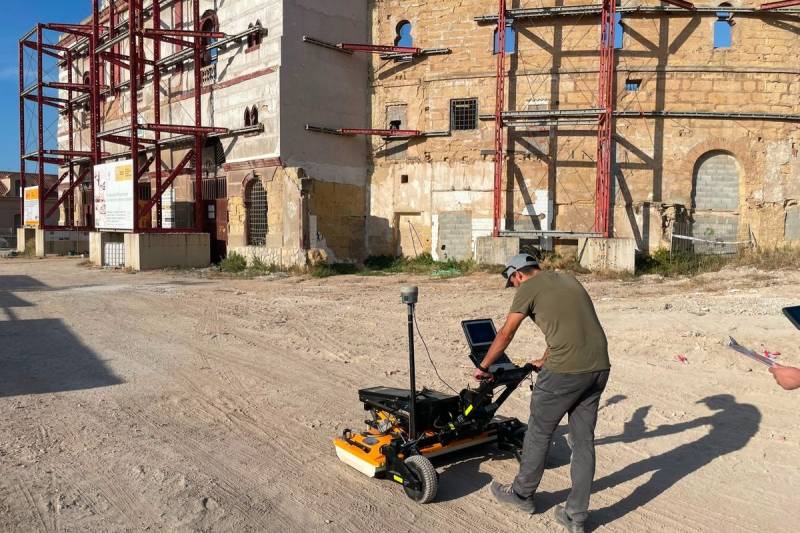
New surveys carried out at Cartagena's Roman Amphitheatre suggest the ancient monument may have been larger than experts originally believed.
The findings come from the latest ground-penetrating radar scans, which allow archaeologists to see beneath the ground without having to dig. Early results suggest the amphitheatre may have stretched further than previously thought, prompting researchers to take another look at the true size of the site and how it was laid out.
Built in the 1st century AD, the amphitheatre is believed to have held between 10,000 and 11,000 spectators. The new surveys have also revealed possible hidden structures that could help experts better understand how the huge venue functioned during Roman times.
The project is being carried out by Cartagena City Council in partnership with the University of Murcia and the Institute of Archaeology of Mérida. So far, the work has focused on identifying the amphitheatre's outer boundary, as well as locating entrances, passageways and routes that would have been used by crowds moving around the building.
According to Cartagena's Councillor for Heritage, Pablo Braquehais, the latest discoveries are helping researchers build a clearer picture of the amphitheatre and plan future excavation work.
The findings add to a growing number of archaeological discoveries in Cartagena in recent years, showing once again why Cartagena is considered one of Spain's most important Roman archaeological sites.
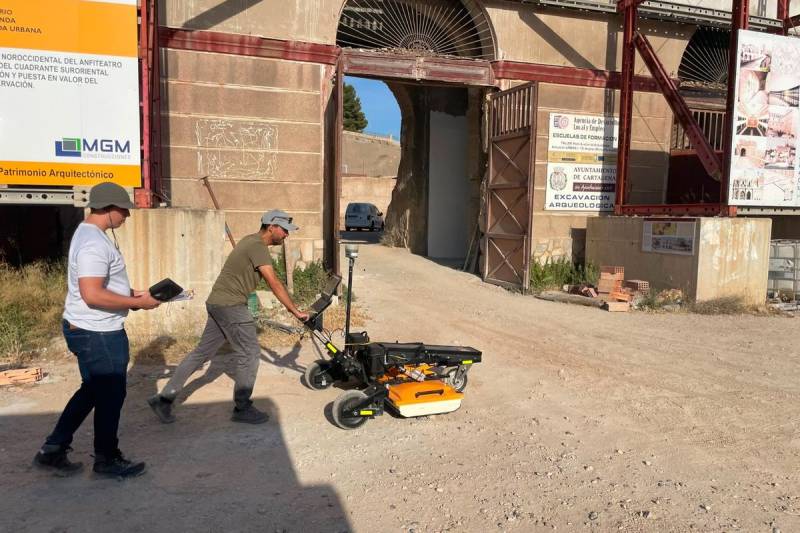
€2 million investment for further excavation work
The latest discoveries come as the Cartagena City Council moves ahead with plans to invest another €2 million in the site.
The funding will help complete excavations in the arena area, preserve part of the former bullring built above the amphitheatre and expand the areas that visitors will eventually be able to explore.
The council's long-term plan is to allow people to visit the amphitheatre permanently, even while archaeological work continues.
Excavations carried out in recent years have already uncovered several important features, including animal holding areas beneath the arena, entrances used by both spectators and gladiators, and exceptionally well-preserved service rooms. Together, the discoveries are helping archaeologists piece together how this vast Roman entertainment venue once operated and what daily life may have looked like behind the scenes nearly 2,000 years ago.
Image: Cartagena City Hall