











PROPERTY SEARCH

Murcia will reduce class sizes for children starting Primary school in September
Class sizes will drop from 25 to 22, giving teachers more time to support each child from the start
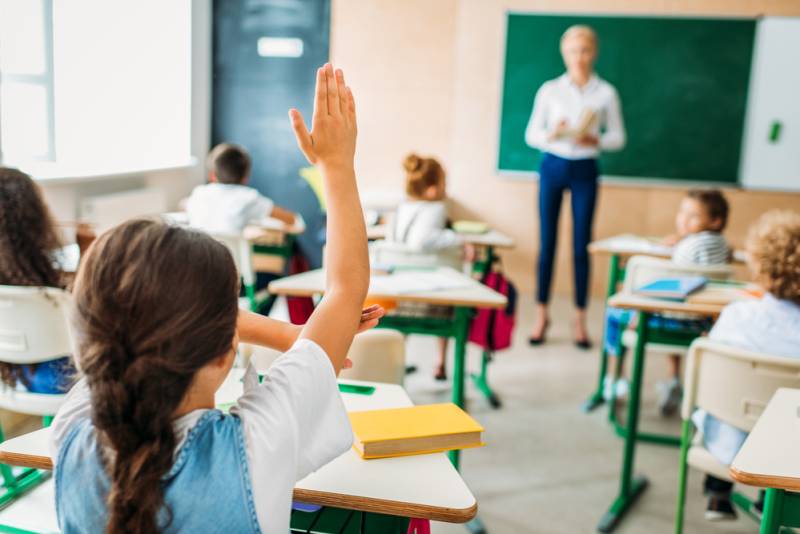
Starting next September 2026/2027, children in Murcia who are beginning the first year of Primary school will be in slightly smaller classes. The Region is reducing the number of pupils in each classroom from 25 to 22. This change will apply in both public schools and semi-private schools (colegios concertados).
The education authorities say the main reason is to give teachers more time to work with each child and to provide better support for children who need extra help. The Minister of Education, Víctor Marín, explained that smaller classes will allow more individual attention from the start of Primary school and help teachers notice early if a child needs additional support.
Over the past three years, class sizes in Early Childhood Education for children aged three to six have already been reduced. Those changes mean younger children have been getting more individual attention and support for a few years now. For Secondary schools, the current class sizes will remain the same for the moment, although the Region is already ahead of national plans for reducing pupil numbers.
Smaller classes can bring plenty of benefits. Research from other countries shows that fewer pupils in a classroom makes it easier for teachers to interact with every child and provide help where it is needed. Children with special educational needs often benefit most from smaller groups. Teachers also notice advantages because they can manage workloads better, including marking and planning, which can make their jobs less stressful and help schools retain staff.
By comparison, primary classes in the UK, for example, often have around 27-30 children, which can make it harder for teachers to give individual attention. Even a small reduction in numbers can help children settle in more easily and allow teachers to spend time with those who need extra support, making the classroom a more manageable and positive place for everyone.
This is especially good news for parents who may be worried about their children making the jump from infant school to Primary next September. Fewer students in the class means the transition will be easier and less daunting for them and the kids.
Image: Archive