











PROPERTY SEARCH

Murcia residential golf resorts are back in a big way, but is it all good news?
It's the culmination of a dream for the Region, and a luxury living project that began 20 years ago, but property prices have risen close to pre-financial crash levels
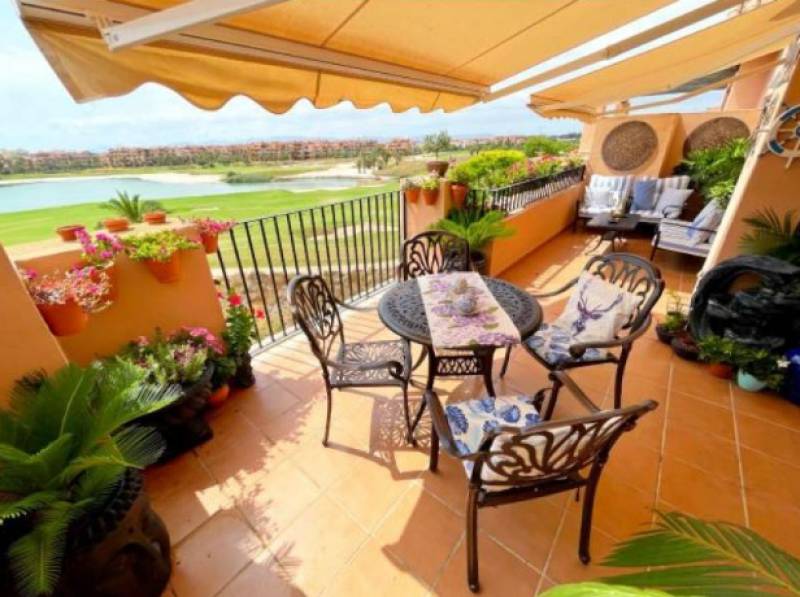
Twenty years ago, the Region of Murcia was riding high on a wave of golf resort development that promised to transform the area into a paradise for international buyers. Names like Jack Nicklaus, Severiano Ballesteros and Johan Cruyff lent their glamour to new developments, and the shadow of Polaris World seemed to stretch endlessly across the landscape. British buyers were snapping up properties off-plan, lured by the promise of year-round sunshine, manicured fairways and the security of gated community living.
Then came 2008 and the dream turned into something of a nightmare. The housing bubble burst, cranes were abandoned mid-construction and resorts like Peraleja Golf in Sucina were left strangled at birth, their golf courses decaying and streets emptying.
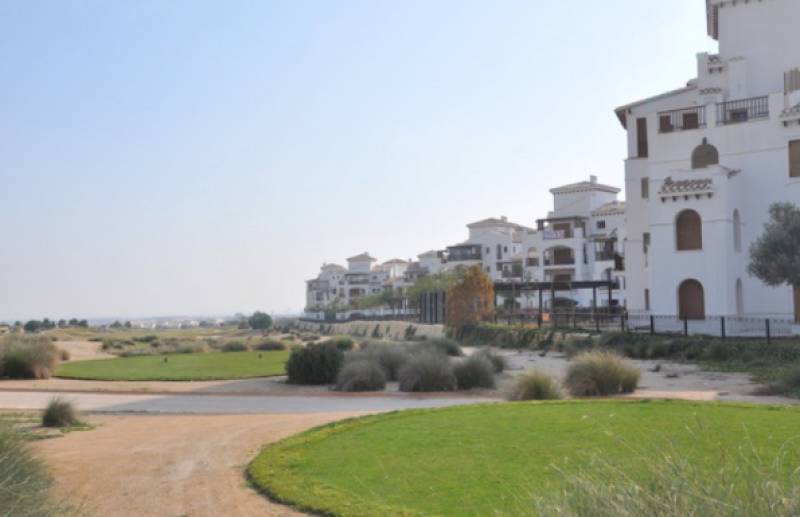 More than 25,000 homes sat on the market at the worst point of the crisis, between 2013 and 2014, their values plummeting.
Fast forward to today and those ghost resorts are coming back to life. Prices have recovered dramatically, driven by post-pandemic demand and a resurgent international property market.
According to Hillary Quinlan, a real estate agent with Murcia Golf Homes who has specialised in the sector since 2004, prices have now bounced back to around 80% of their pre-2008 levels. Properties at Hacienda Riquelme in Sucina that once sold off-plan for an average of €180,000 are now changing hands for around €140,000, though the gap is closing fast.
The recovery is being felt across the board. Suzanne Cherry from Chersun Properties, confirms that homes priced between €80,000 and €200,000 are flying off the shelves. There's currently a shortage of available properties, with only around 800 homes on the market across all the Region's golf resort complexes. Many of these are resales, although new construction is ramping up at places like Peraleja Golf and La Manga Club.
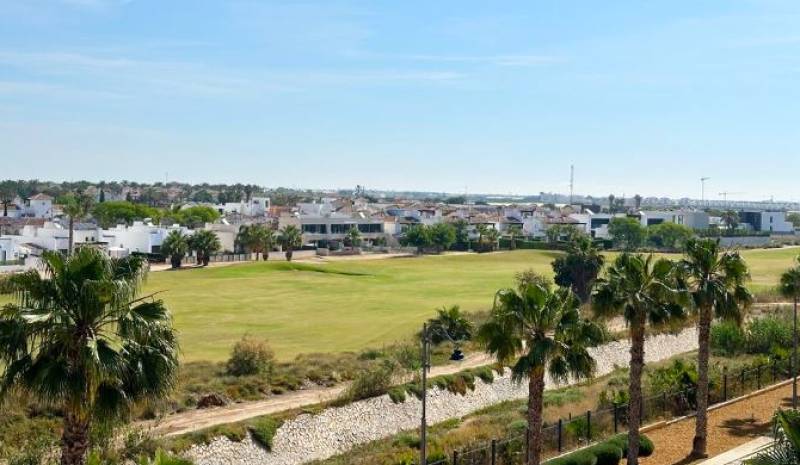 The buyer profile on Murcia’s golf resorts has evolved considerably since the heady days before the crash. British purchasers remain the largest group, but Brexit and the lingering effects of the 2008 crisis made them more cautious. Into that gap stepped the Belgians, who became something of a lifeline for the market.
Belgians now make up at least half of the owners at Las Colinas in neighbouring Orihuela Costa, and buyers from the Netherlands, Scandinavia, France, Germany, Switzerland, Ireland, Australia, South America, Russia and Eastern Europe are all active in the market across southern Spain.
The old perception of Spain as a cheap destination has vanished, with Belgian buyers in particular expecting high standards and luxury finishes.
So far, so positive, but there's a darker side to this resurgence that's causing concern among those who aren't in the market for golf resort living. The Region of Murcia is in the grip of a severe housing crisis and the booming resort market is both a symptom and, some would argue, a contributing factor.
In November, property prices in the Region increased by 22.5% year-on-year, reaching €1,665 per square metre. That's just 6.8% below the all-time high of €1,786 reached in September 2006, right before the crash.
 The Region has lost 31% of its housing stock over the past five years, with Murcia city seeing a staggering 50% drop in available homes for sale.
Francisco Iñareta, spokesperson for Idealista, warns that these tensions are unlikely to ease soon: "For another quarter, we are witnessing a record drop in the number of homes available for sale."
The numbers are actually a bit frightening. The Region needs to build approximately 14,200 homes per year to meet current demand, but it's been averaging just 2,700 units annually over the past four years. By 2027, the deficit will reach 57,700 properties.
Nationally, Spain faces a shortage of 700,000 homes over the next decade.
Meanwhile, the market for affordable housing has completely collapsed. In the past three years, not a single provisional qualification has been issued to build subsidised housing in any of the Region's 45 municipalities. This stands in stark contrast to the period between 2008 and 2010, when 7,516 authorisations for social housing were granted.
 The contrast couldn't be starker. Properties in golf resorts are selling briskly at prices between €140,000 and €4 million, with luxury villas commanding €6,000 per week in rental income, but ordinary working families are being priced out of the market entirely. House prices have surged 22.5% in a single year and with stock depleting rapidly, even middle-income earners are struggling to find anything affordable.
As for those on low incomes who desperately need social housing, the situation is nothing short of catastrophic. The subsidised housing market has flatlined completely, leaving the most vulnerable with nowhere to turn.
The golf resort renaissance is undoubtedly good news for developers, estate agents and international buyers looking for their place in the sun. Empty streets are coming alive again, abandoned developments are being completed and a sector that many had written off has roared back to life.
But for ordinary residents and those hoping to get on the property ladder, the picture looks rather different. The dream that began 20 years ago is being realised, but it's increasingly a dream that only some can afford to be part of.
Images: Archive