











PROPERTY SEARCH

Murcia ozone pollution reaches its second-highest level since 2017
More than 300,000 people have been exposed to air pollution above the EU’s new health target, as campaigners warn of the risks and demand action
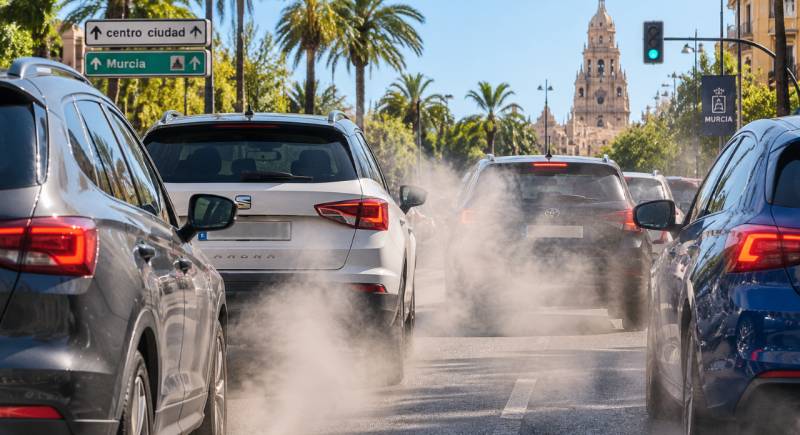 More than 300,000 people in the Region of Murcia have breathed air containing ozone pollution above the European Union’s new legal health target for 2030 at least once over the past three years, according to a new report by environmental group Ecologists in Action.
The report, based on monitoring data collected between January 1 and September 30, 2026, places Murcia’s ozone pollution at its second-highest level since 2017. Campaigners warn that the figures highlight a continuing problem for residents, particularly during the hotter months when conditions favour the formation of ozone.
Three areas are especially affected: the Altiplano, the Eastern Plain around Molina de Segura and neighbouring municipalities, and the Murcia metropolitan area. Together, they have approximately 860,000 residents, representing 54% of the regional population. Each area exceeded the new EU health target at least once during the 2024 to 2026 period.
The picture becomes even more concerning when compared with World Health Organization recommendations. According to the report, the entire population of the Region of Murcia breathed air containing ozone above WHO-recommended levels during 2026.
The findings add to wider concerns about the region’s air quality, with nitrogen dioxide and fine particle pollution also identified as significant problems in previous reporting.
Ozone forms when nitrogen oxides and volatile organic compounds, released by traffic, industry and other activities, react in sunlight. High temperatures and stable weather conditions encourage concentrations to build up. Pollution can also travel beyond cities, affecting suburban and rural communities.
This summer, four intense and prolonged heatwaves, together with a warm spring, plant growth following winter rainfall and several forest fires in July and August, created favourable conditions for ozone formation. Across Spain, ozone levels reached their highest point in 2026 since at least 2010, although Murcia’s levels remained slightly below those recorded in 2025.
The potential consequences for health are serious. The Carlos III Health Institute estimates that 59 deaths in the Region of Murcia during summer 2026 were attributable to the combined effects of extreme temperatures and increased exposure to pollutants such as ozone.
Ecologists in Action is urging the regional government to approve the air quality improvement plan announced last year, with specific measures for areas that fail to meet the required standards. Its recommendations include reducing road traffic, improving energy efficiency, replacing polluting organic solvents with cleaner alternatives, carefully planning renewable energy projects and expanding emission control areas in the Mediterranean. It also wants a moratorium on new intensive livestock farms.
The group has raised concerns about public access to pollution information, saying the regional air quality website no longer provides easy access to historical hourly data or monthly summaries of daily maximum eight-hour ozone levels.
The findings follow wider warnings that millions of people across Spain are exposed to air pollution above the EU’s new limits.
The report remains provisional and could change once the final data has been validated.
Image: AI generated