










PROPERTY SEARCH



Knee pain can sometimes be a symptom and not an illness itself. Here's how you can identify and treat it
Common causes, warning signs and effective treatment options for older adults, and how rehabilitation can help at Caser Residencial
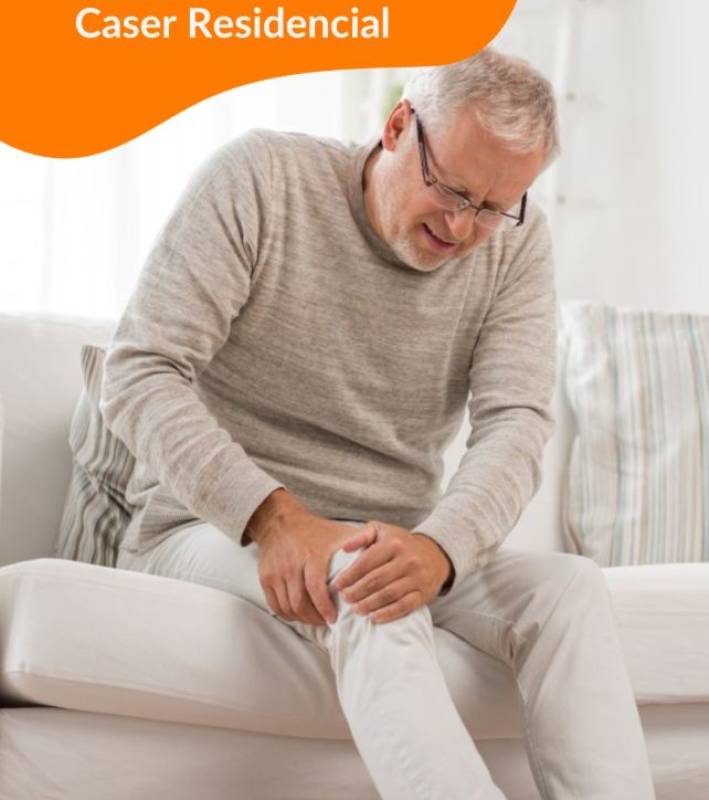 Knee pain is one of the most frequent mobility complaints among older adults and as anyone who has ever experienced it can affirm, it can significantly affect independence and quality of life.
At Caser Residencial, the day centre for older adults with an International Unit that provides services in English, rehabilitation services play an important role in identifying the causes of knee pain and supporting residents through personalised treatment plans aimed at reducing discomfort and improving movement.
Common causes of knee pain
Knee pain can have many causes. In older people, the most common is osteoarthritis, a degenerative condition in which the cartilage that cushions the joint gradually wears away. This often leads to stiffness, swelling and pain, particularly when standing up, walking or climbing stairs.
Other possible causes include ligament or meniscus injuries, inflammation of the tendons or bursae, muscle weakness, or pain related to previous falls or surgeries.
In some cases, knee pain may also be linked to poor posture or altered walking patterns caused by hip or back problems.
How do I know if knee pain is serious?
Persistent knee pain should not be ignored. Ongoing discomfort, swelling, reduced range of motion or a feeling of instability can increase the risk of falls and limit daily activities. Early assessment is essential to prevent further deterioration and to maintain mobility for as long as possible.
How to relieve and reduce knee pain naturally?
Caser Residencial’s rehabilitation services focus on a comprehensive and individualised approach. After professional assessment, residents and outpatient users may follow a programme that includes therapeutic exercise to strengthen the muscles surrounding the knee, improve balance and increase joint stability.
Gentle mobility and stretching exercises help maintain flexibility and reduce stiffness, while pain-relief techniques and functional training support safer movement in everyday activities.
Rehabilitation also considers the wider needs of each person. Advice on posture, walking aids or appropriate footwear can reduce strain on the knee joint. When required, rehabilitation professionals work closely with medical teams to ensure pain management and treatment plans are coordinated.
For families, access to structured rehabilitation within Caser Residencial offers reassurance that knee pain is being addressed proactively and safely. By treating both the symptoms and underlying causes, rehabilitation services help residents remain active, comfortable and confident in their daily lives.
If you would like more information about rehabilitation and mobility support at Caser Residencial, the centre can provide further guidance and advice. See contact details below: