









PROPERTY SEARCH

PROPERTY SEARCH
Invasive Asian hornet reaches Canary Islands for the first time
Authorities are asking the public to report sightings after nearly 100 specimens were found in Las Palmas
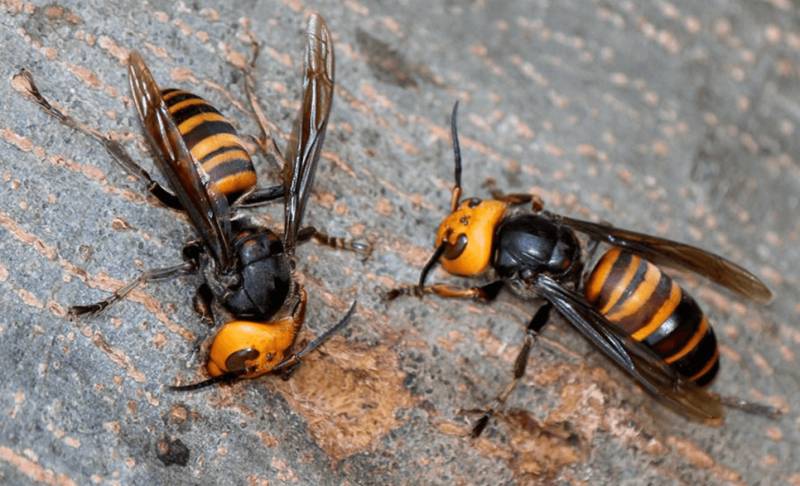
The Asian hornet has officially been detected in the Canary Islands for the first time after authorities discovered a nest containing 93 specimens in Las Palmas de Gran Canaria.
The invasive species, known scientifically as Vespa velutina, was found in an urban area close to the city’s port, triggering an immediate response from firefighters and environmental teams.
According to the Canary Islands Government, the nest was removed the same night it was reported before samples were analysed by specialists, who later confirmed the species identification.
Authorities have now launched a monitoring operation alongside Las Palmas council and the Gran Canaria Cabildo, with traps being installed in nearby parks in an attempt to locate any further nests.
The port area will also be monitored with the help of local beekeepers and the Port Authority of Las Palmas as officials try to determine how widespread the hornets may already be.
Experts say the timing of the discovery could actually work in the islands’ favour.
“The experts consulted consider it positive that this first outbreak was detected during the spring,” the government explained, adding that colonies are only just beginning to grow at this time of year and are unlikely to have reached the reproduction stage yet.
Still, the authorities admit there are concerns about how the Canary Islands’ climate could affect the species, which has already spread widely across northern Spain since first arriving in the country in 2010.
The Asian hornet can grow up to 3cm long and is recognisable by its dark body, yellow legs and orange-yellow stripe on the abdomen. Its sting is considered more painful than common wasps due to its larger size, although officials say the biggest risk remains for people with existing allergies to stings.
The species poses a serious threat to bees and other pollinating insects, which make up much of its diet.
Residents are being urged not to approach nests themselves and to report sightings through the 112 emergency number or directly to the RedEXOS invasive species network.
“Raising awareness rather than trying to eliminate them is, according to specialists, the most appropriate approach during this initial diagnostic phase,” the government stated.
Image: Harper Adams University