











PROPERTY SEARCH

Immigrants place less strain on Murcia healthcare system, new study finds
Ministry report shows foreign-born residents are generally healthier, have fewer chronic illnesses and use fewer medical resources
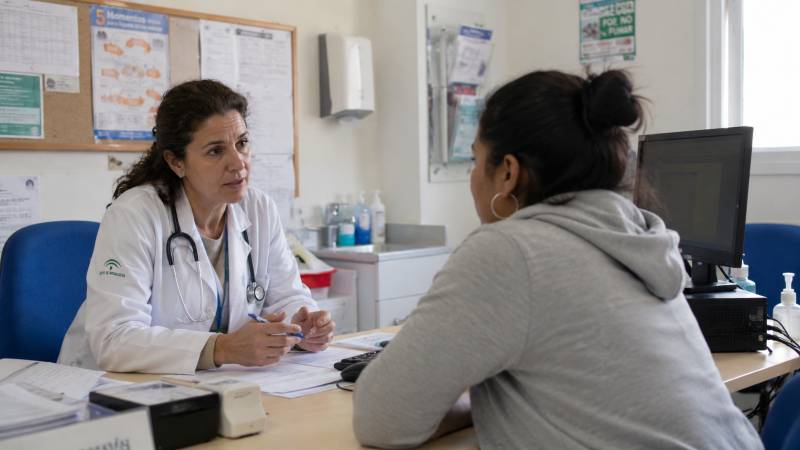 For months, immigration has been at the centre of political debate in Spain, with concerns often raised about the pressure newcomers place on public services. But a new report from the Ministry of Health paints a very different picture.
The findings add fresh evidence to a debate that has become increasingly visible in the Region of Murcia, where earlier polling revealed sharp differences in attitudes towards immigration, particularly between younger and older generations.
According to the study, immigrants living in Spain, including in the Region of Murcia, are generally healthier than the native-born population, suffer fewer chronic illnesses and make less use of healthcare resources.
Rather than immigration, the report points to an ageing population, rising rates of chronic illness and increasingly expensive treatments as the biggest challenges facing Spain's public healthcare system.
In Murcia, the figures are particularly striking. For every 1,000 Spaniards registered with the Murcian Health Service, 521 have at least one chronic illness. Among foreign residents, that figure falls to 350, while among African residents it drops to just 252 per 1,000.
The gap widens further when more serious health conditions are examined. The rate of people living with three or more chronic illnesses is around three times higher among Spanish-born residents than among foreign-born residents in the Region of Murcia.
Health experts say this is significant because patients with multiple chronic conditions typically require more appointments, treatments and medication, placing greater demands on the healthcare system.
"The arguments linking immigration to healthcare spending are self-serving. They cannot be blamed for the deficit or the collapse," said former Murcian Health Service director Asensio López.
The study also found that Spaniards consume considerably more medication than immigrants. Nationally, the Spanish-born population uses between 32% and 69% more medicines, while residents born in Spain consume 62% more medication than people born in Africa.
The Ministry's findings support what researchers call the "healthy immigrant effect", the tendency for migrants to arrive in their destination country with better overall health indicators than the native population.
Interestingly, immigrants do make more use of emergency departments than Spaniards, but researchers say this does not reflect poorer health. Instead, it is often linked to work schedules, job insecurity and barriers that make it harder to access primary care services. The Ministry argues that improving access to family doctors would help many foreign residents seek treatment earlier and reduce reliance on emergency care.
The findings come just weeks after concerns were raised about proposals that could limit healthcare access for some migrant groups in Andalucía, highlighting how immigration and public services have become increasingly politicised issues.
The report also echoes conclusions from a recent economic study which found that immigration is making a "clearly positive" contribution to Murcia's demographic and economic future, helping offset the effects of an ageing population and supporting public finances.
For health officials, the message from the latest data is straightforward. The biggest pressures facing Spain's healthcare system are linked to age, chronic illness and rising treatment costs, not the growing immigrant population.