








PROPERTY SEARCH

How elderly care trends are developing in Spain: From traditional residences to innovative home solutions
Like many countries, Spain has an ageing population, and the care sector for the third age is rapidly evolving to reflect that
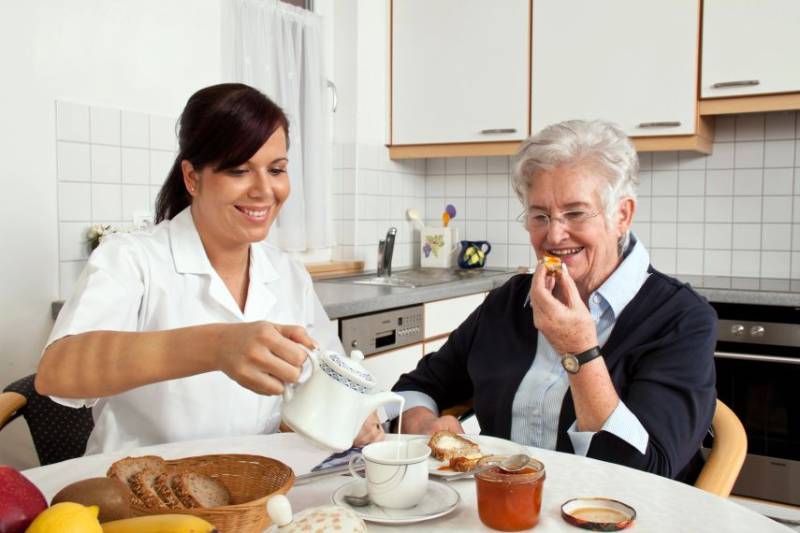
Spain’s elderly care sector is evolving rapidly as the population ages and, while traditional residential homes remain essential, demand for flexible, home-based and technology-supported solutions is rising.
And ageing demographic, smaller family units and increased geographic mobility among many families mean informal caregiving – when family members look after elderly relatives at home – is under pressure. Increasingly, professional services are filling these gaps, but they have to be able to offer some additional differentiating point to ensure that the quality of care and the welfare of the elderly people being cared for is first and foremost.
In-home care services are on the rise
Elder care in residential centres, day centres and the like must be as good as, if not better than, informal caregiving, and users of the services must feel as at home and at ease as if they were being cared for by their own children or grandchildren.
Indeed, that’s why, as time goes on, home-based care, teleassistance and integrated rehabilitation are on the rise. This shift towards ‘ageing in place’ reflects the fact that, in an era of WFH and mobile conveniences, many older adults prefer to remain at home as long as safely possible.
Whether it’s a physio who comes into the home to run rehabilitation sessions once a week after a fall or an accident, or mental healthcare from a social worker who phones or jumps on a video call to check in regularly on elderly patients, these in-home care services are a lifeline to many elderly people and their families who do not wish to move into a home on a permanent basis.
Residential care is becoming more specialised
Of course, there is always a space for residential care, and a good reason for many people to choose to move to a residential elderly care centre or nursing home after they reach a certain age. But these centres, too, are changing from what they once were.
On the whole, the best quality residential centres – and the ones that are best able to adapt and survive in the existing market – are the ones that are becoming more specialised. Frequently, they feature units and trained staff dedicated to dementia care, rehabilitation and various complex medical needs demonstrate the increasing professionalisation of the sector.
In the case of certain areas of Spain where there is a large population of foreign-born immigrants, such as the Costa del Sol or the Costa Cálida, this differentiating factor even sometimes takes the form of specialist ‘International Units’, which are designed to cater to non-Spanish-speakers, offering services in English so they can feel at ease and adapting the food, television, newspapers and activities to match what they would be used to in their countries of origin.
Digital innovation is another trend that is helping to overhaul the residential care service sector. Whether that’s in the form of monitoring systems, electronic care plans that are shared among all staff and family member, or data-driven oversights that are analysed to focus caregiving where it is most needed on a personalised basis, these advances are helping to enhance safety, improve health and ensure coordination in elder care centres.

Also of interest: 5 tips for preventing depression in the elderly
But the best answer to the evolving needs of Spain’s elderly population is never in any single one of these solutions, of course; it is in a holistic synthesis of all of them.
Overall, the direction of travel in Spain is towards integrated care models that combine residential services, day centres, home support and technology, all of which allows providers to respond flexibly to changing needs while prioritising dignity and wellbeing.