









PROPERTY SEARCH

PROPERTY SEARCH
Heat claimed more than 2,000 lives across Spain in July alone
Official figures show last month was one of the deadliest months in recent years for heat-related mortality in Spain
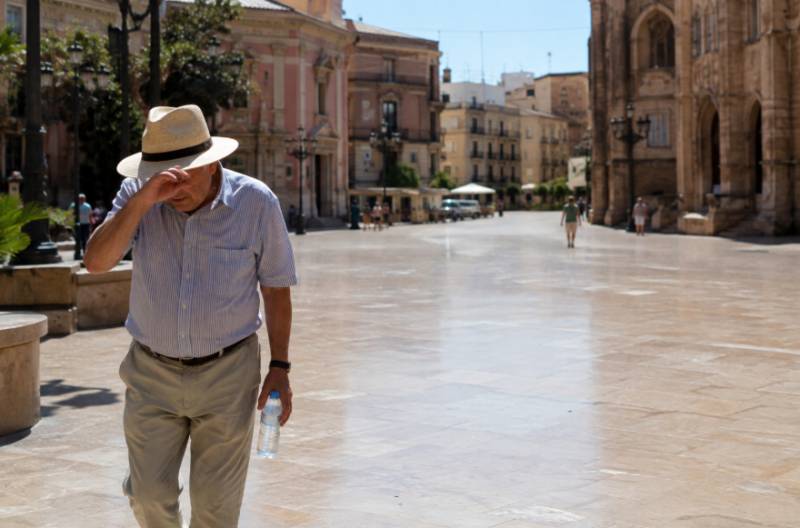
Spain's relentless summer heat has been linked to more than 2,000 deaths during July, making it one of the deadliest months in recent years as prolonged periods of extreme temperatures took their toll across the country.
Figures published by the Carlos III Health Institute show that 2,024 heat-related deaths were recorded during the 31 days of July. The highest daily toll came as one of the month's major heatwaves came to an end, with more than 100 deaths recorded on several consecutive days between July 8 and July 13.
Even on July 31, as the month drew to a close, the intense temperatures were still having an impact, with 63 deaths attributed to the heat.
The grim figures follow an exceptionally hot June, meaning almost 3,000 people (2,961) have died from heat-related causes in Spain over the past two months alone.
To put that into perspective, the combined total is more than double the number of temperature-related deaths recorded during the entire cold season between November 2025 and February 2026, when 1,375 people died from cold weather and other temperature-related conditions.
With August, traditionally Spain's hottest month, just getting underway, this year's death toll is already approaching the 3,009 heat-related deaths recorded during the whole of 2023 and has comfortably surpassed the 2,012 deaths recorded in 2024.
Health experts have repeatedly warned that Spain is particularly vulnerable to rising global temperatures. Higher average temperatures, longer periods without rain and more frequent droughts are increasing the risk posed by extreme heat, particularly during prolonged heatwaves.
Researchers also point to other factors that make the country more vulnerable, including an ageing population, densely populated urban areas with limited green spaces and the so-called urban heat island effect, where cities retain far more heat than surrounding rural areas.
They also warn that people living in poorer communities often face greater risks because they may have less access to cooling, suitable housing or healthcare, making extreme heat even more dangerous.
Health authorities continue to urge people to avoid strenuous activity during the hottest part of the day, drink plenty of water and check regularly on elderly relatives, neighbours and anyone with underlying health conditions as Spain heads into what is usually the hottest period of the summer.
Image generated using AI