









PROPERTY SEARCH

Flood-prone stretch of the RM-19 finally getting the drainage it desperately needs
Work on kilometre points 22-24 hopes to prevent flooding, improve safety and keep the busy motorway open during heavy rain
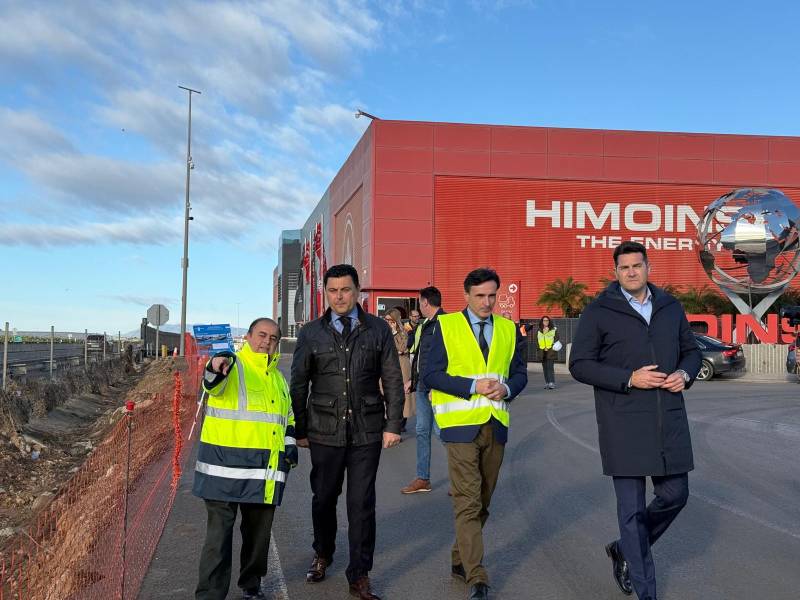
If you live in the Mar Menor area, you'll know that as soon as it rains, this stretch of the RM-19 motorway floods, every single time. To fix this, the Regional Ministry of Development and Infrastructure has started the second phase of drainage improvements on the road, which links the A-30 with the AP-7 and carries more than 10.5 million car journeys a year.
The work, which is part of the regional Flood Risk Road Adaptation Plan, has a cost of over €1.1 million. Regional Minister Jorge García Montoro and San Javier Mayor José Miguel Luengo visited the site this week to check on progress. The work began a few weeks ago and will keep this busy motorway safe and open during heavy rainfall.
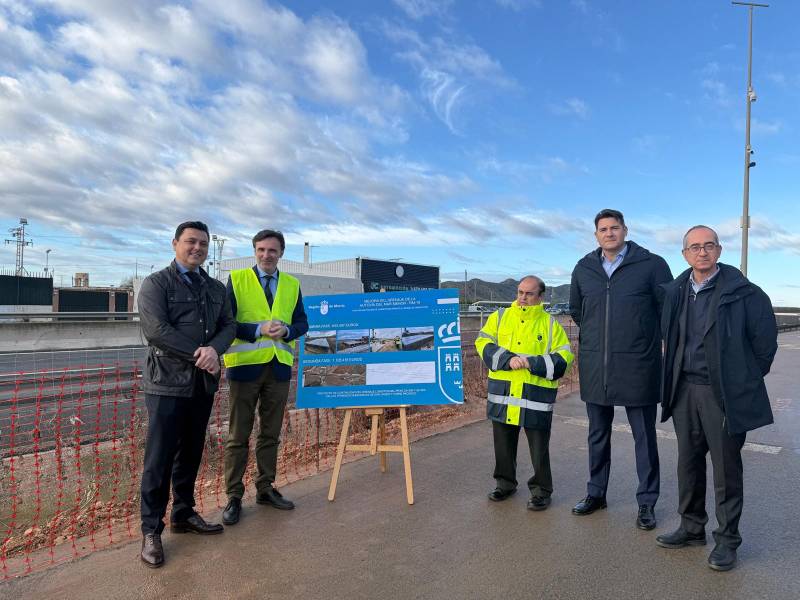
This phase focuses on kilometre points 23.3 to 24.2. It includes new concrete drainage frames, widening the roadside channel, and strengthening the system with concrete rock revetments. The idea is to prevent the water from accumulating on the road and prevent the traffic jams that happen every time it rains heavily.
“The aim is simple, improve water flow and make the road safer so drivers can keep moving even in bad weather,” García Montoro said.
He also highlighted the importance of planning and coordination, with the project approved by the Segura Hydrographic Confederation.
This second phase finishes the work started between kilometre points 22 and 24, which cost €633,497. Altogether, the RM-19 drainage improvements total €1.7 million, funded through a public-private partnership between the regional government and Himoinsa.
Images: CARM