








PROPERTY SEARCH

April 26 Free guided walk in the Sierra de la Pedrera in Jumilla
History and mystery in the mountains of northern Murcia!
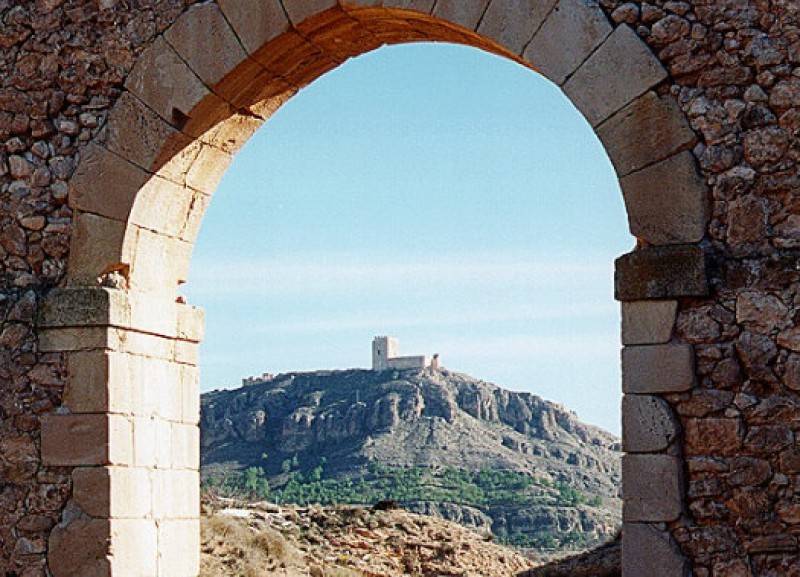 The mountains around Jumilla in the north of Murcia are home to many curious sights and features, and this free short walk in the Sierra de la Pedrera on Sunday 26th April includes visits to the prehistoric cave paintings, the historic transhumance farming path to Ontur and the mysterious petroglyphs!
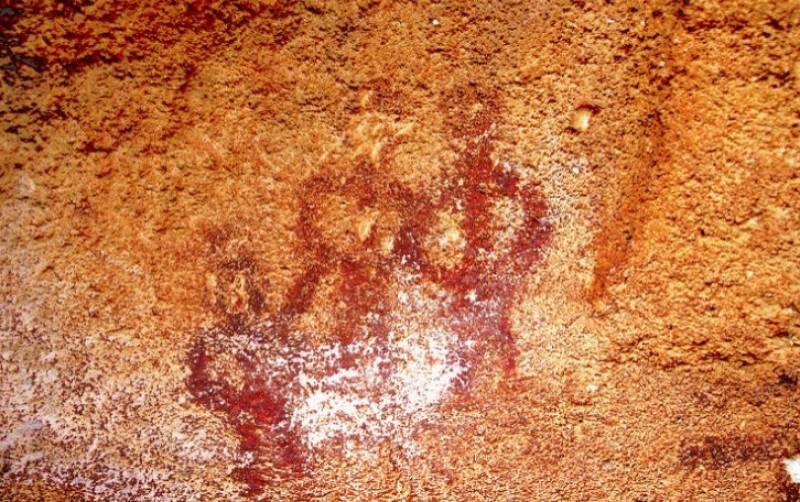 The Sierra de la Pedrera reaches an altitude of no more than 765 metres above sea level and the area is covered in esparto glass and aromatic plants. In one rock shelter there is a series of schematic rock art paintings which are part of the World Heritage Site declared by UNESCO, dating from between the Stone Age and the Bronze Age: they belong to the “Schematic” genre which was in use from the 4th to the 2nd millennium BC and include depictions of goats, human figures and other designs.
Incredibly, the paintings were only discovered as recently as 1998.
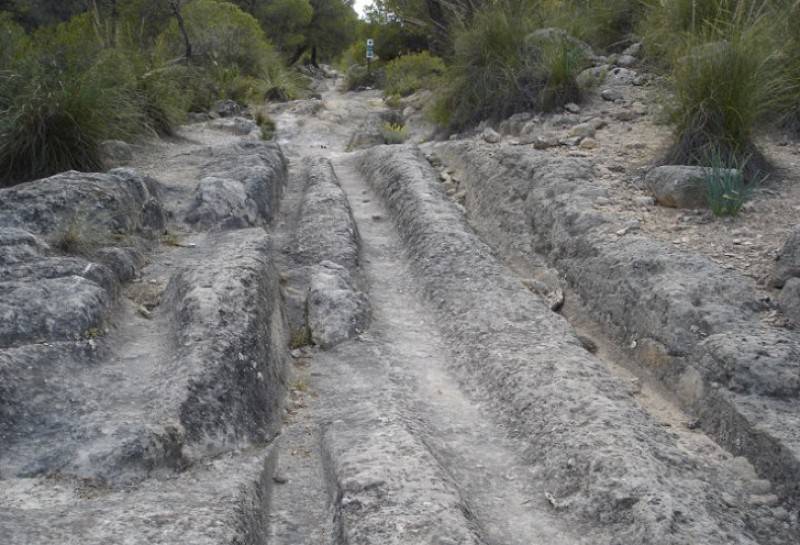 The Camino Histórico de Ontur is almost alongside these paintings and is an old cart road which crosses the Sierra de la Pedrera. We can still see various ruts which were cut into the sandstone and deepened by the wheels of the carts laden with goods as they travelled along it, transporting cargoes such as esparto grass and stone from the quarries in the mountains. It was in use from the 15th to the 19th century.
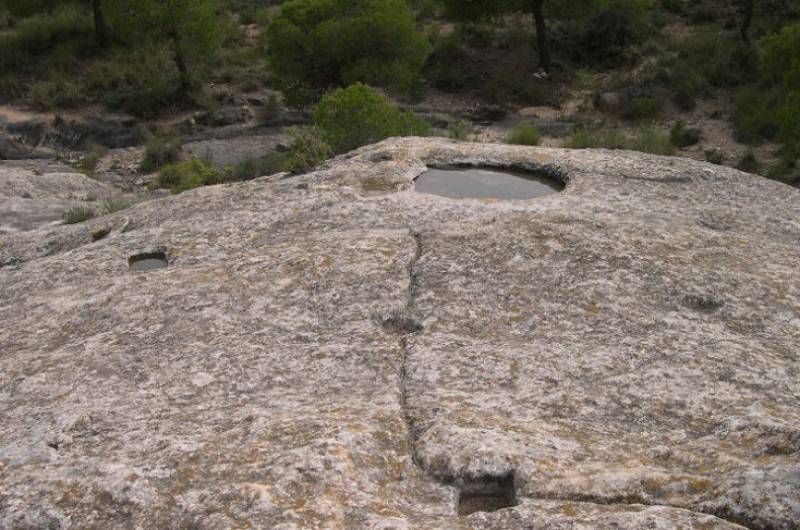
As for the petroglyphs, these take the form of small, rounded holes in the rock which have been speculatively linked to ancient rituals, route markers or maps, or even maps of the stars. Other possible explanations include the idea that they are water collection bowls, formed either naturally or by our far distant forefathers who inhabited the area: if this is the case, it is thought they would have been created by Man in the 2nd millennium BC, when it is believed that they were used to collect water, possibly for use in rituals.
 Although they are not included in this visit, other interesting sites to visit in the same mountain range include the aqueduct of Miraflores, the aqueduct of El Pontón, the mines of La Celia and the fossil site of La Hoya de la Sima, where we can see the fossilized footprints of the three-toed horses, medium-sized antelopes, sabre-toothed tigers and bears which lived in the area around 6 million years ago!
The visit is entirely free of charge but prior registration is required online here through the regional tourist board.
For more local news, events and visiting information please contact the tourist office (telephone 968 780237, email oficinaturismo@jumilla.org) or go to the home page of Jumilla Today.