












PROPERTY SEARCH

3 essential things your insurance must cover if you are travelling to Spain or another country
It is especially important to be sure what kind of repatriation your coverage provides

Travelling outside your country of residence can quickly become a financial nightmare if a medical problem arises. Even in destinations perceived as affordable, healthcare costs for foreign visitors can be unexpectedly high.
Whether you are heading to Spain for a short break or travelling further afield, choosing the right travel insurance is not just a formality. It is a safeguard against bills that could otherwise run into tens of thousands of pounds.
Here is what good travel insurance should include to avoid serious surprises:
1. Medical coverage
One of the most common questions is what type of insurance to take out. The first and most important aspect to consider is medical coverage.
Experts recommend not skimping and opting for comprehensive policies with cover between £250,000 and £500,000. While Spain does not present the extreme healthcare costs seen in some long-haul destinations, treatment abroad can still be expensive, particularly in private hospitals.
In countries such as Thailand, for example, ten days in an intensive care unit can cost around £35,000. Medical guides usually advise never going below £85,000 of coverage, even for relatively short trips. For residents in Spain travelling outside the country, this level of protection is especially important.
2. Repatriation
Another key point concerns repatriation itself, a concept that many travellers think they understand, but which often hides small print.
Some insurance policies say they include repatriation, but in reality only include the repatriation of a deceased person and do not cover the medical repatriation of a living patient. This distinction is crucial. If you are seriously ill or injured and need to be transported home for treatment, the costs can be extremely high.
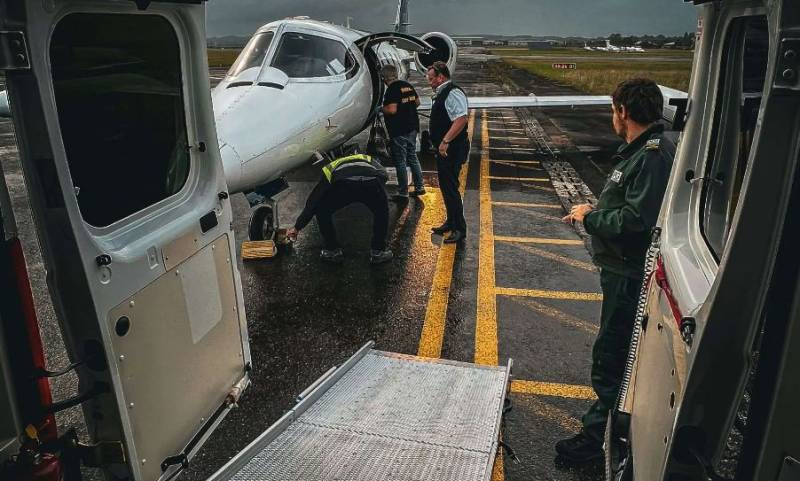
In addition, some policies limit transfers to commercial flights and do not cover the use of air ambulances. This should be clearly specified in the contract. Medical repatriations can easily exceed £100,000, so low coverage limits should raise concerns.
Companies such as Alliance Pioneer Group offer repatriation services to both private clients and those covered by travel or health insurance. Whether travelling back from Spain or another European destination, their teams coordinate every aspect of the journey, from liaising with hospitals and insurers to arranging appropriate transport.
If the patient is fit to fly, commercial medical escorts can accompany them on a scheduled flight, or in some cases, such as travel across mainland Europe, transfer takes place via ground ambulance services, where trained paramedics, nurses and doctors work to ensure a safe and carefully managed return.
To find out more about medical repatriation to the UK or to request a quote, visit alliance-pioneer.co.uk or contact the team directly via email at repatriation@alliance-pioneer.co.uk or by phone on 0044 1752 717720. An out-of-hours line is also available on 0044 0845 652 5532.
3. Risky business
The third common mistake arises when a trip includes potentially risky activities. Many standard insurance policies exclude sports such as diving or skiing and do not cover mountain or sea rescues in the event of an accident.
Travellers should therefore read the exclusions carefully. If you plan to ski, scuba dive or take part in adventure sports, make sure the activity is explicitly covered in the policy. If necessary, take out additional cover.
A holiday is meant to provide rest and enjoyment. Ensuring that your travel insurance genuinely protects you in the areas that matter most can prevent it from becoming an expensive lesson in overlooked small print.